Blue Light vs Laser 3D Scanning: Which One Should You Use?
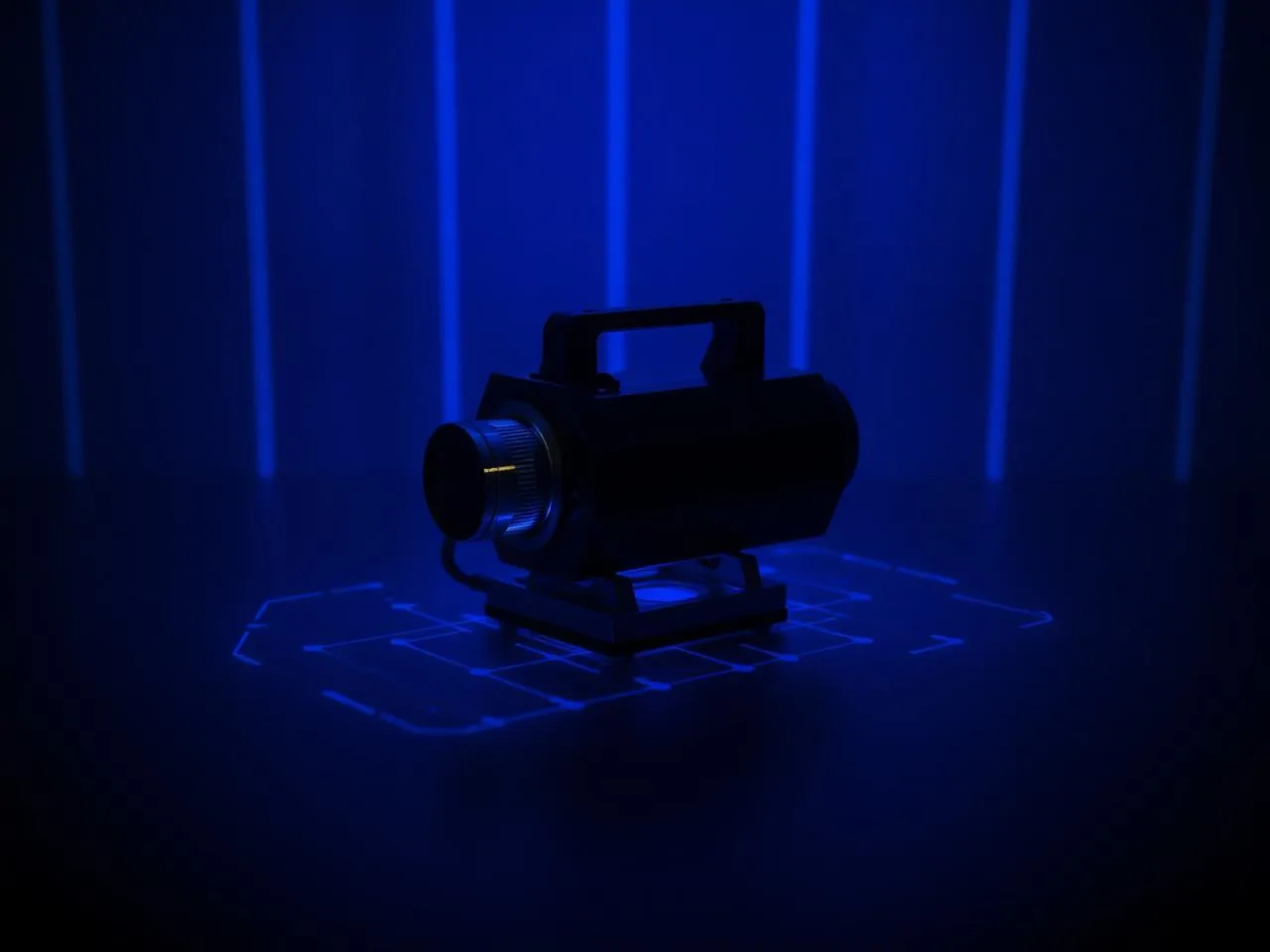
A practical comparison of structured-light and laser 3D scanning for industrial metrology, reverse engineering, and inspection — and how to pick the right one for your part.
Two technologies, two strengths
Blue light (structured light) and laser scanning are the two dominant industrial 3D scanning technologies. Blue light scanners project a known pattern onto the part and triangulate distortion. Laser scanners project a line or point and capture geometry per-frame. Both can hit sub-0.01 mm accuracy — but they win in different scenarios.
When blue light wins
Blue light is faster on stationary parts and produces denser, cleaner data on matte and lightly reflective surfaces. It's the default for inspection, CAD comparison and short-cycle reverse engineering.
- High point density per frame
- Excellent on matte surfaces
- Best for stationary, lab-style scans
- Fast capture of complex free-form geometry
When laser wins
Laser systems shine on dark, shiny, or hard-to-reach geometry. Handheld laser scanners are better for on-site work, large assemblies and parts where you can't fully stage the workpiece.
- Better on dark / reflective parts
- Portable, on-site friendly
- Handles large or hard-to-reach geometry
- Forgiving of ambient light
How to choose
If the part is brought to a controlled lab, blue light is usually the first pick. If you're scanning installed equipment, large assemblies, or shiny dark surfaces, choose laser. For mixed workflows — exactly what most engineering shops face — a fleet that includes both is the right answer.
More in 3D Scanning
Have an engineering project?
Talk to our team about 3D scanning, reverse engineering or precision manufacturing.
Request a Quote